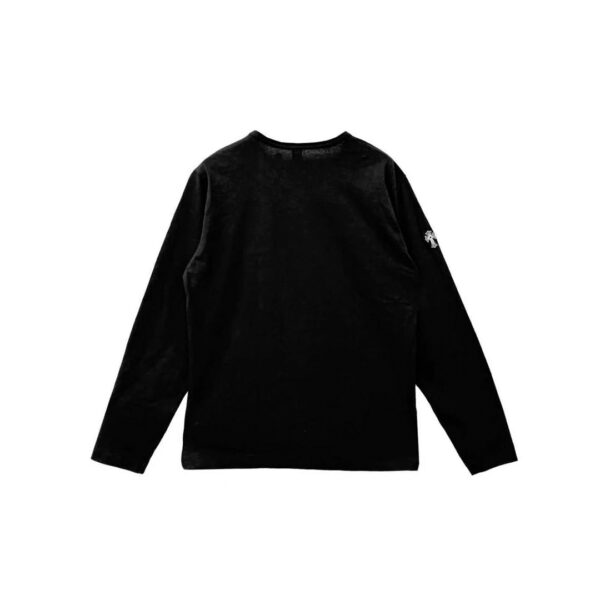
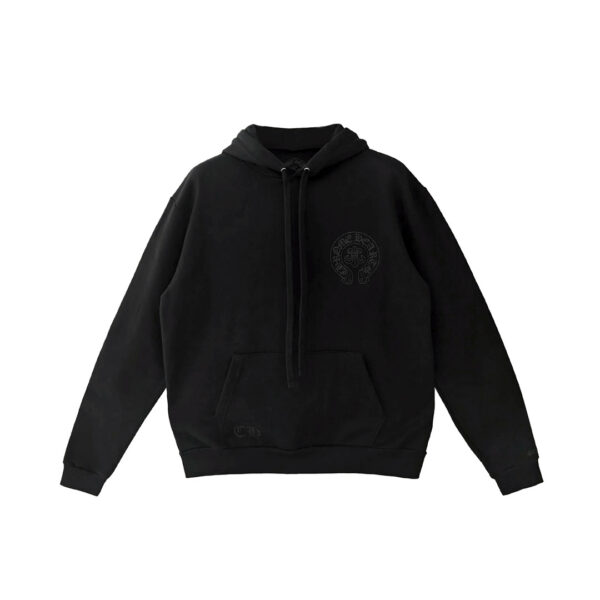
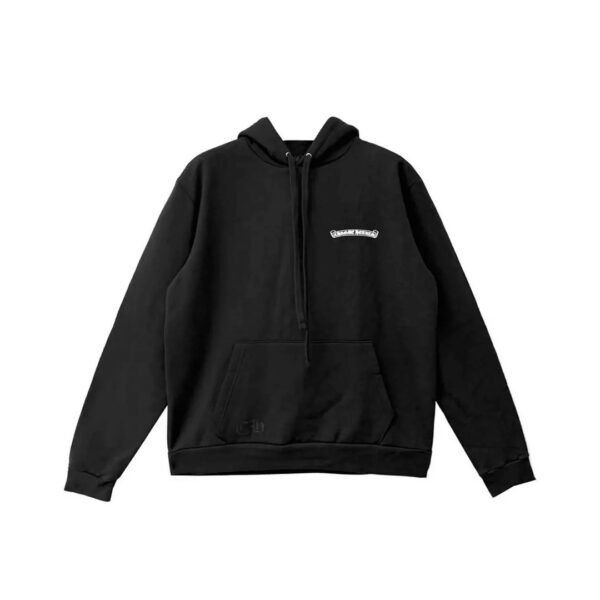
How to Wash Premium-Brand Hoodies and Sweatshirts

A premium hoodie isn’t cheap, so a single improper wash can undo the whole investment: shrinkage, faded color, a cracked print. Let’s break down how to wash sweaters and sweatshirts so they stay like new for as long as possible and lose neither their shape nor their color.
Always Start with the Label
Before you toss an item into the machine, read the tag — it’s not a formality but the manufacturer’s instructions. It states the maximum temperature, the permitted cycle, whether machine drying is allowed, and ironing. The basic symbols are worth knowing by heart:
- A tub with a number — the maximum wash temperature (for example, 30 °C).
- A tub with a hand — hand wash only.
- A crossed-out square with a circle — machine drying is prohibited.
- A crossed-out triangle — bleaching is prohibited.
- A circle with a dot — dry cleaning only, for delicate materials.
Premium brands often recommend a delicate wash — ignoring these symbols means risking an expensive item. The clothing catalog is in the clothes section.
Preparation Before Washing
Proper preparation saves prints and color before the machine even starts:
- Turn the hoodie inside out — this protects the print and the outer texture from rubbing against the drum.
- Fasten the zippers and snaps, and tie the hood drawstrings so they don’t get pulled out.
- Wash dark and light items separately to avoid color transfer.
- Treat heavily soiled areas in advance with a chlorine-free stain remover, testing it on an inner seam.
- Place the item in a special laundry bag if it has voluminous decoration.
Temperature and Cycle
The optimal settings for cotton and fleece:
- Temperature — 30 °C; cold water preserves the color and prevents shrinkage.
- Cycle — delicate or hand wash.
- Spin — limited, 600–800 rpm, so as not to deform the fibers.
- Detergent — a liquid gel without aggressive bleaches; powder rinses out of fleece worse and leaves streaks.
- Fabric softener — in minimal amounts or none at all for athletic fabrics.
The Specifics of Prints and Embroidery
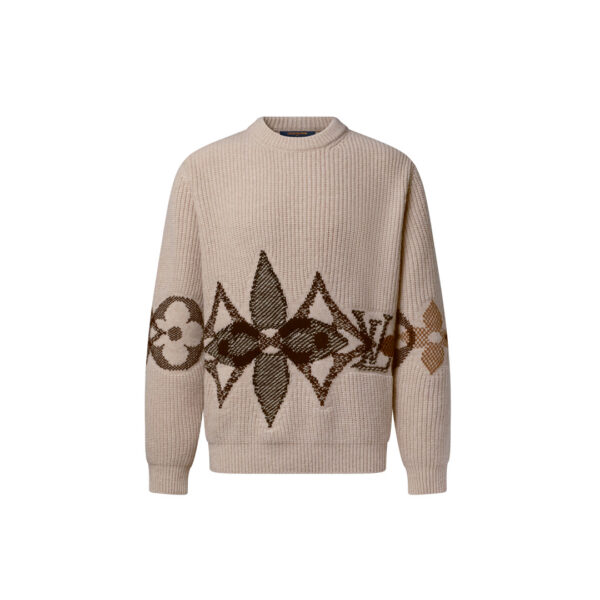
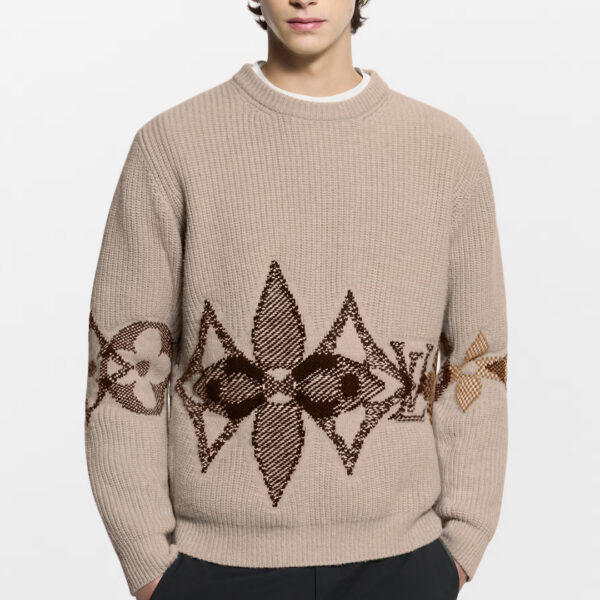
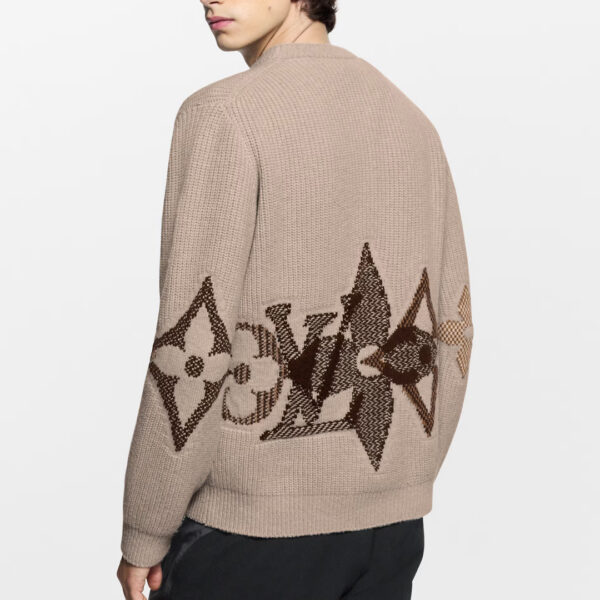
Decoration requires separate attention, because it is the first thing to suffer. Items with transfer prints, screen printing, or puff prints should never be ironed directly over the design or dried at a high temperature — otherwise the print will crack or peel off. Embroidery is additionally protected by washing inside out, and especially raised elements are better washed by hand altogether. If the print is large and important to the item’s appearance, opt for cool water without soaking and minimal mechanical impact.
Drying and Preserving the Shape
Drying often does more harm than the wash itself, so treat it with care:
- Don’t dry the hoodie in the machine — hot air causes shrinkage and ruins the fleece.
- Straighten the item and dry it flat on a towel so it doesn’t stretch under its own weight.
- Don’t hang a wet sweater on a hanger — the shoulders and neckline will deform into “ears.”
- Turn the item over during drying for evenness.
- Store sweaters folded on a shelf, not on a hanger.
Find more premium clothing at the POGO store.
How Often to Wash
Hoodies and sweatshirts don’t need washing after every wear — frequent washing speeds up fabric wear and color fading. If the item isn’t dirty and has no odor, airing it out in the fresh air is enough. Local stains are better removed spot by spot, without running a full wash cycle for a single mark.
Fighting Pilling and Odor
Over time, pills may appear on the fleece and cuffs — this is normal for knitwear. Remove them with a special fabric shaver or carefully with a razor, without stretching the fabric. To avoid an unpleasant odor without frequent washing, air the item out and, if needed, treat the underarm areas with an antibacterial fabric spray. A few useful habits:
- Don’t put a hoodie that’s damp from wear into the closet.
- Give the item a day to “rest” between wears.
- Store knitwear folded to avoid stretching.
The Specifics of Different Fabrics
Premium hoodies are made from various materials, and each has its own washing requirements:
- Heavyweight cotton — holds its shape best, but needs cold water to prevent shrinkage.
- Cotton with elastane — dislikes hot water and intense spinning, which break down the elastic fibers.
- A polyester blend — dries faster but is wary of high temperatures, which deform the synthetic.
- French terry and fleece — dry only flat to preserve the softness of the inner layer.
Knowing the fabric composition, you’ll easily pick a cycle that preserves both color and texture. The composition is always indicated on the same label as the care symbols.
Summary
Cold water, a delicate cycle, washing inside out, and flat drying are the formula for the long life of a premium hoodie. Follow the label, avoid the dryer and ironing prints directly, and don’t wash the item more often than necessary. Have questions about caring for a specific item? Reach out via contacts.
Shop the story