Supreme: How a Skate Brand Became a Legend

Supreme is a brand without which modern streetwear is impossible to imagine. Its red logo in a white rectangle became the symbol of an entire generation, and its sales model set the standard for the whole industry. But it all started with a modest skate shop in the heart of New York.
1994: Born in New York
Supreme was founded by James Jebbia in April 1994 on Lafayette Street in Manhattan. The store was created for skaters and designed so they could ride inside right on their boards — the merchandise was placed around the perimeter, leaving open space in the center. This authenticity and sincere respect for the subculture became the foundation of a brand that spoke the same language as its audience from the start.
Jebbia already had experience in the streetwear world and understood the New York skate scene well. In the early years, Supreme was more of a local cult store than a global brand: skaters gathered here, and its own atmosphere and code of conduct took shape. It was precisely this exclusivity and “insider-versus-outsider” spirit that later became part of Supreme’s magic — the brand never tried to please everyone, and that only heightened its appeal.
The Box Logo as an Icon
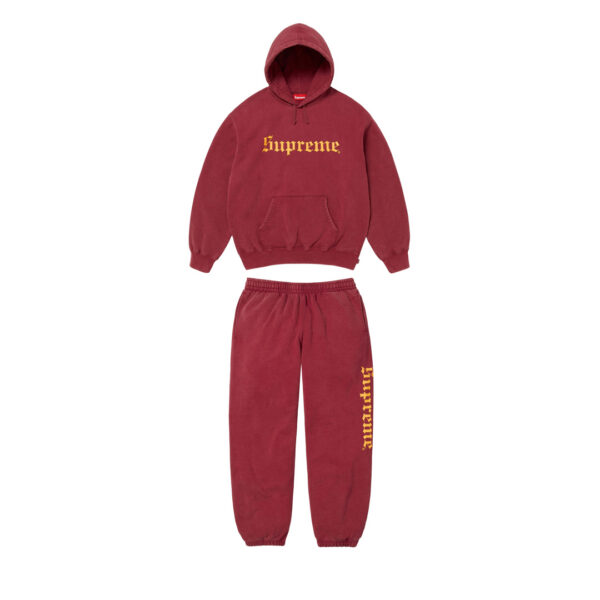
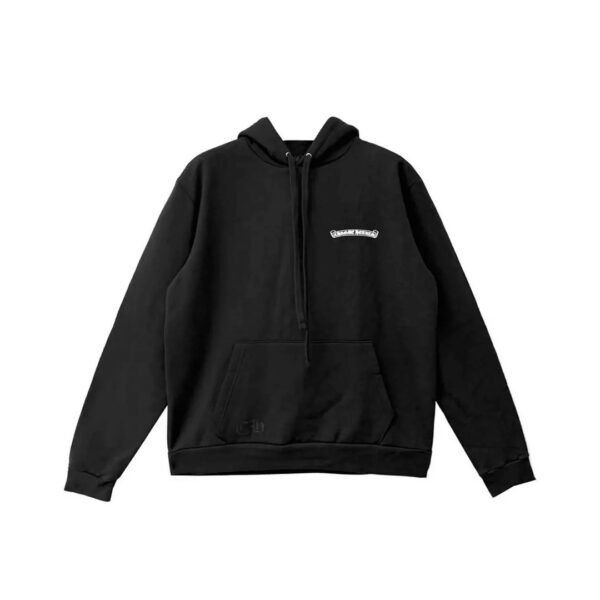
The signature box logo — a white italic inscription on a red background — is inspired by the work of artist Barbara Kruger, who used a similar device in her conceptual art. This mark became one of the most recognizable in fashion. Pieces with the box logo, especially limited hoodies, turned into genuine objects of the hunt, and certain releases are valued by collectors as works of art.
The power of the box logo lies in its simplicity and versatility. It’s equally recognizable on a T-shirt, a sticker, or an accessory, and the mere presence of the logo turns an everyday item into a coveted object. It’s precisely thanks to this mark that Supreme learned to sell not so much clothing as belonging to a community and a cultural code understood only by the initiated.
Drop Culture
Supreme popularized the model of weekly drops: new pieces are released in limited batches on a set day and time, traditionally on Thursdays throughout the season. This strategy creates a sense of urgency and exclusivity, turning an ordinary purchase into a competition and an event that fans prepare for in advance.
Why Drops Work
- Limited quantity fuels demand and a sense of scarcity.
- Regularity builds a loyal community that returns every week.
- A quick sellout feeds an active resale market.
Collaborations That Made History
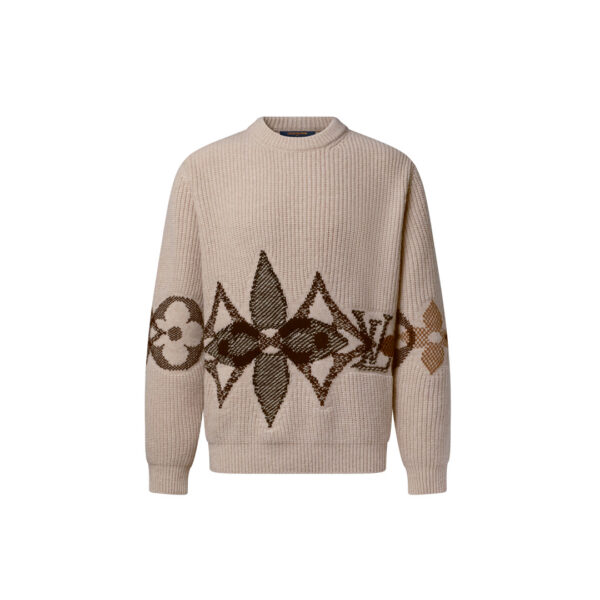
Supreme has worked with dozens of brands — from Nike, Vans, and The North Face to luxury houses and unexpected partners beyond fashion. Especially high-profile was the collaboration with Louis Vuitton in 2017, which finally erased the line between street style and high fashion and proved that streetwear can be an equal partner for a century-old luxury house.
Key Milestones of the Brand
- 1994 — the opening of the first store in New York.
- 2000s — the formation of the cult weekly drop model.
- 2017 — the landmark collaboration with Louis Vuitton.
- 2020 — a major stake in the brand passes to VF Corporation, confirming its commercial weight.
Resale and the Cult of the Box Logo
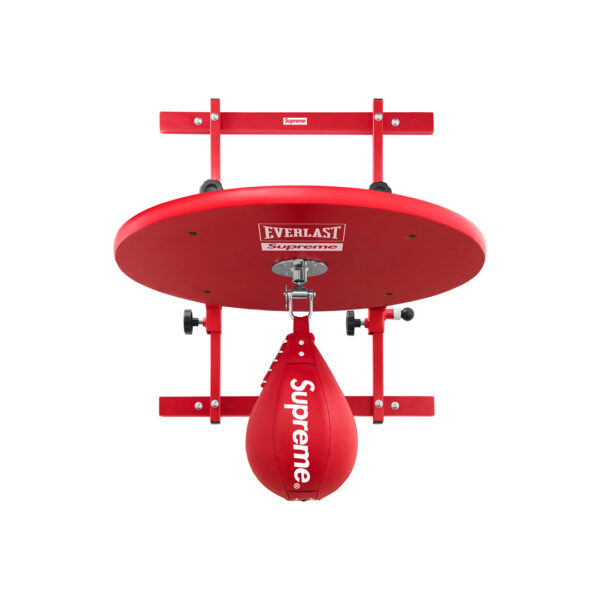
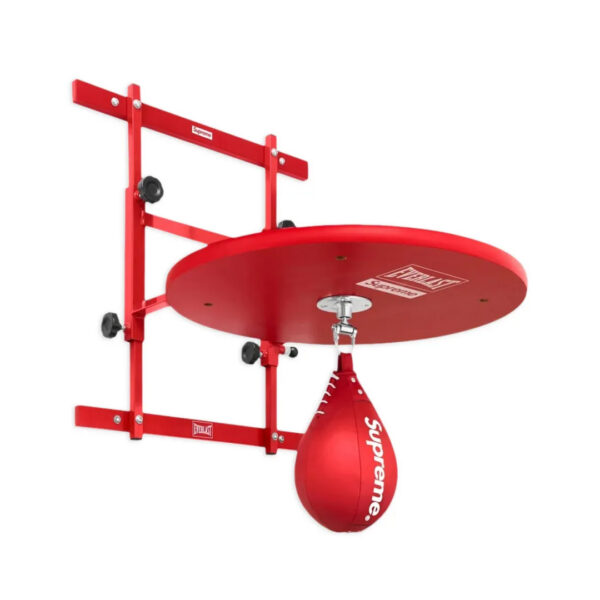
A separate chapter in Supreme’s history is the secondary market. Limited box logo hoodies, joint releases with Nike, and accessories resell for many times the retail price, and the rarest specimens become objects of genuine collecting. The brand also released unexpected objects — from a logoed brick to tools and household items — which also sold out instantly and rose in price, which only underscores the power of the Supreme mark itself.
Why Supreme Pieces Rise in Price
- Very limited runs of every release.
- The power of the box logo as a cultural symbol.
- Collaborations with the strongest names in the industry.
- Steady demand that has exceeded supply for years.
Impact on the Industry
The Supreme model has been copied by hundreds of brands worldwide. The concepts of hype, drop, and resale in their modern form were largely shaped thanks to this brand. Supreme proved that culture and community can be more valuable than traditional advertising budgets, and that authenticity is the strongest marketing tool. Today, almost every streetwear brand relies in one way or another on the rules of the game that Supreme was the first to formulate.
Find Supreme at POGO
Want to add a legend to your wardrobe? Browse the Supreme selection at POGO. And to explore more cult brands and rare drops, visit our POGO store with a guarantee of authenticity for every piece.
Shop the story