Streetwear Clothing Sizes: How to Get Oversize Right

Streetwear is built on playing with the silhouette, and oversize is its calling card. But there’s a fine line between a stylish loose fit and baggy clothing that hides the figure. In this guide, we’ll figure out how to choose a size so that oversize looks expensive and deliberate rather than like a hand-me-down. After all, it’s the fit that separates an interesting look from a failed one.
What Oversize Really Means
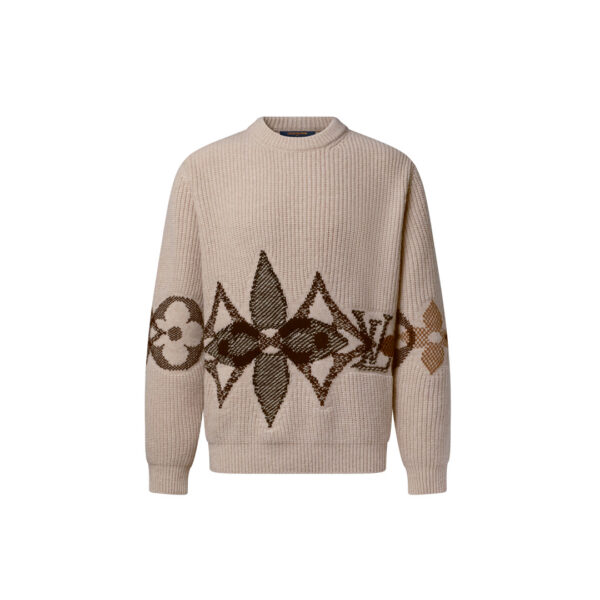
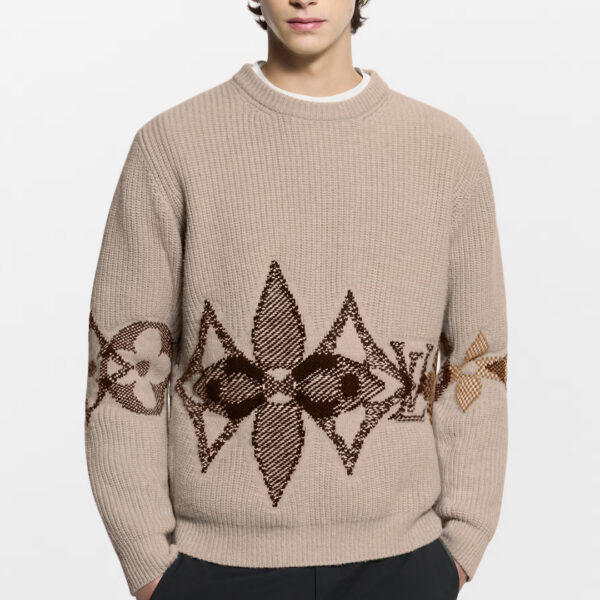
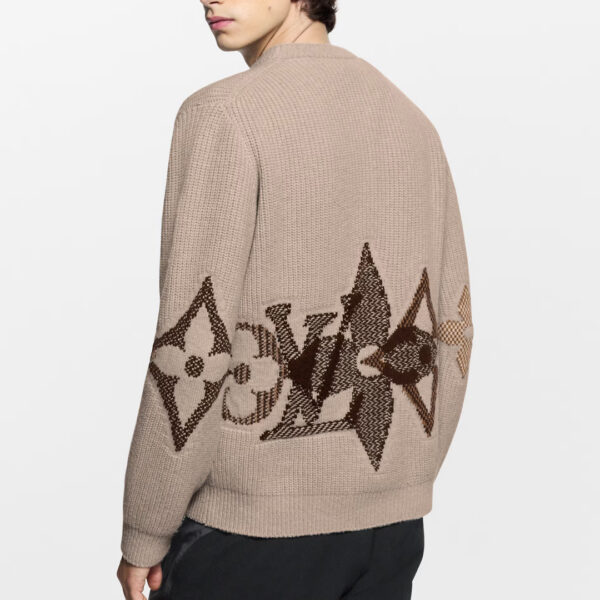
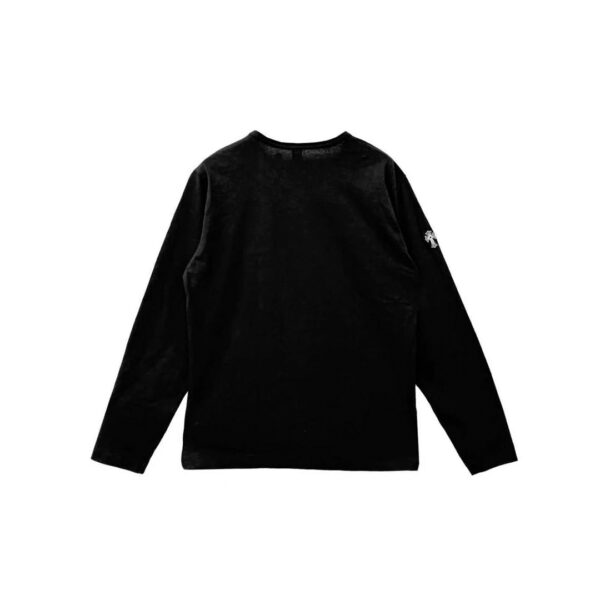
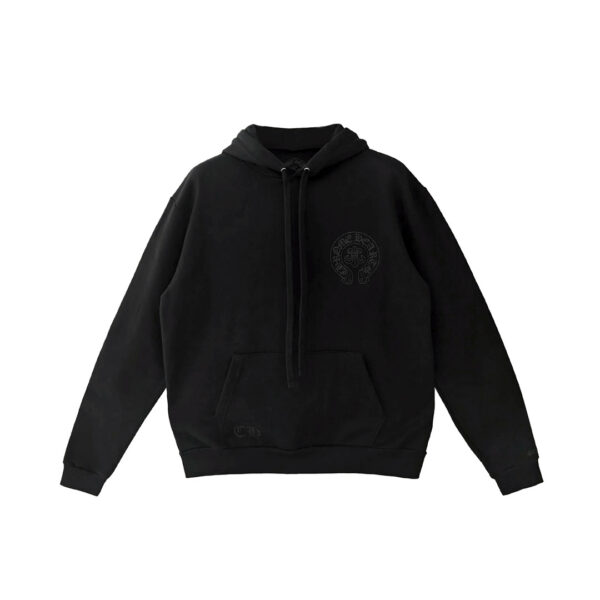
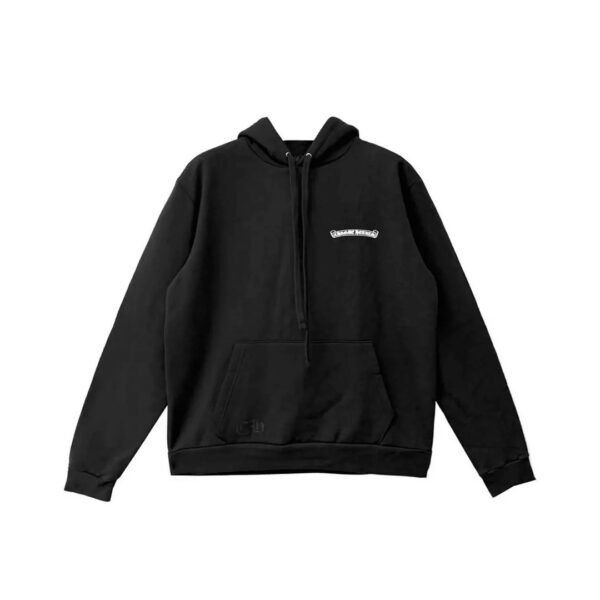
Oversize is a loose fit built in by the designer, not simply a larger size. Many streetwear brands already cut their pieces with an elongated shape, a dropped shoulder, and an increased chest girth. So buying “for growth” is usually unnecessary — the model is already designed to be loose, and one more size on top will turn a stylish silhouette into a shapeless sack. It’s important to understand the difference between a true oversize cut and a regular fit that you simply take a size up.
How to Take Measurements Correctly
Take measurements with a tape measure over your underwear, without pulling it tight and keeping the tape level. The key measurements:
- Chest girth — the most important one for tops, across the fullest points, with the tape horizontal.
- Shoulder width — from one shoulder point to the other across the back.
- Waist and hip girth — for pants and shorts.
- Item length — from the shoulder down, to understand how elongated the cut is.
- Sleeve length — from the shoulder to the wrist, since oversize often has a longer sleeve.
Pro tip: measure a favorite item that fits well (laying it out on a flat surface) and compare it with the brand’s size chart. For streetwear, go specifically by the item’s width when laid flat, not just by the letter size.
Conversion Chart for Hoodies and Sweatshirts
An approximate correspondence of letter sizes and chest girth for oversize tops:
- S — chest girth 96–104 cm — item width 56 cm
- M — chest girth 104–112 cm — item width 60 cm
- L — chest girth 112–120 cm — item width 64 cm
- XL — chest girth 120–128 cm — item width 68 cm
- XXL — chest girth 128–136 cm — item width 72 cm
How to Read Item Width
Item width is half the girth when laid flat, measured under the armhole. To get the approximate chest girth of the finished piece, multiply this figure by two. For a comfortable oversize, the item’s girth should exceed your chest girth by roughly 12–20 cm. Less, and the fit will be closer to regular; more, and you risk ending up with a baggy silhouette.
When to Take Your Size and When to Go Bigger
The strategy depends on how the brand positions the cut:
- Regular fit, but you want an oversize effect — go one size up.
- The model is already oversize by design — stay in your size.
- Boxy fit (square cut) — pay attention to the length, since such pieces are shorter; if needed, take a size up for more length.
- Cropped models — on the contrary, don’t size up, otherwise the cropped effect itself disappears.
You can check the cut of a specific piece in the product description in the clothing section.
Balancing the Silhouette
The golden rule of streetwear: balance an oversize top with a more fitted bottom, and vice versa. A few working combinations:
- A wide hoodie + tapered pants or knee-length shorts.
- A voluminous jacket + straight but not baggy jeans.
- An oversize t-shirt + cargos with an ankle cinch.
- Wide pants + a fitted sweater or a basic body-conscious t-shirt.
This way the look comes across as deliberate rather than shapeless. You’ll find ready-made outfits at the POGO store.
Common Oversize Mistakes
Even when you understand the theory, it’s easy to make mistakes that ruin the whole look:
- Taking an oversize cut and then sizing up on top — the result will be baggy.
- Pairing a voluminous top with a voluminous bottom with no fitted element at all.
- Ignoring the sleeve and item length — overly long details visually “drown” the figure.
- Going only by the letter size without looking at the actual measurements in centimeters.
- Buying without checking the cut in the description, hoping to guess by eye.
If you keep these points in mind, even the most voluminous piece will sit neatly and look expensive. Quality streetwear forgives a loose fit, but it does not forgive disproportion.
Summary
A well-executed oversize is about precise measurements and an understanding of the cut, not about “grabbing an XXL and calling it a day.” Check against the size chart, look at the item width, and balance the silhouette with fitted elements. Have doubts about a size? Write to us via contacts — we’ll pick a fit for your figure and the style you want.
Shop the story