Why “1:1” Superfake Replicas Are Dangerous and How to Spot Them

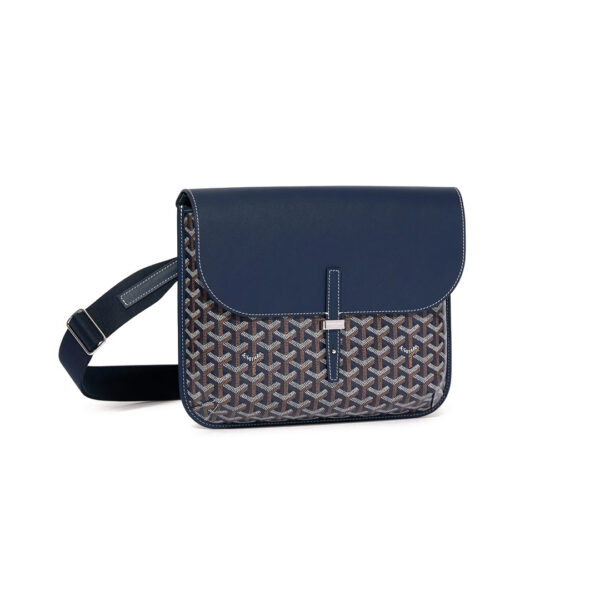
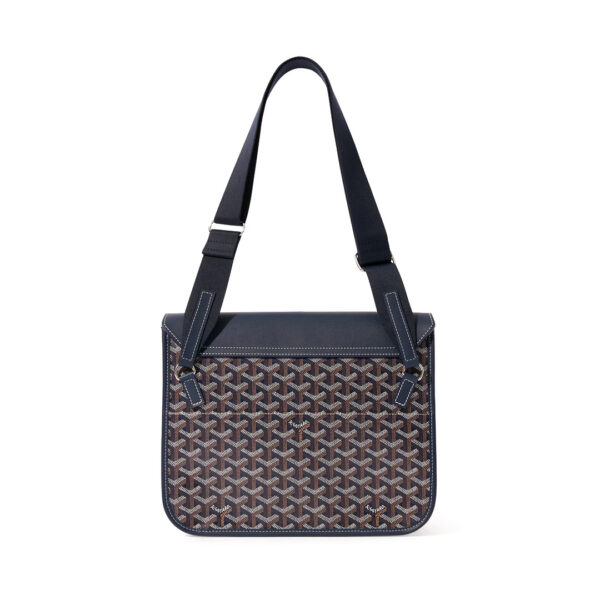
The term superfake, or “1:1” replica, describes top-tier counterfeits that are almost impossible to tell apart from the original by eye. Whereas fakes used to be given away by crooked seams and cheap materials, today superfake copies imitate even tags, serial numbers, date codes, and QR codes. Let’s break down why this phenomenon is dangerous and how to counter it.
What a “1:1” Superfake Is
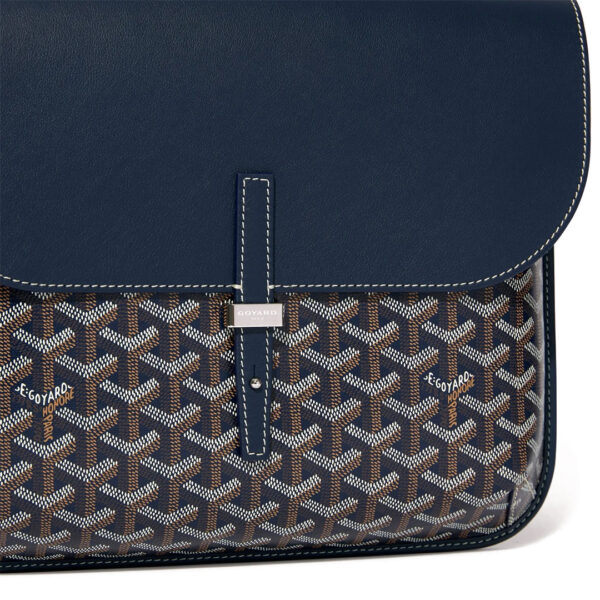
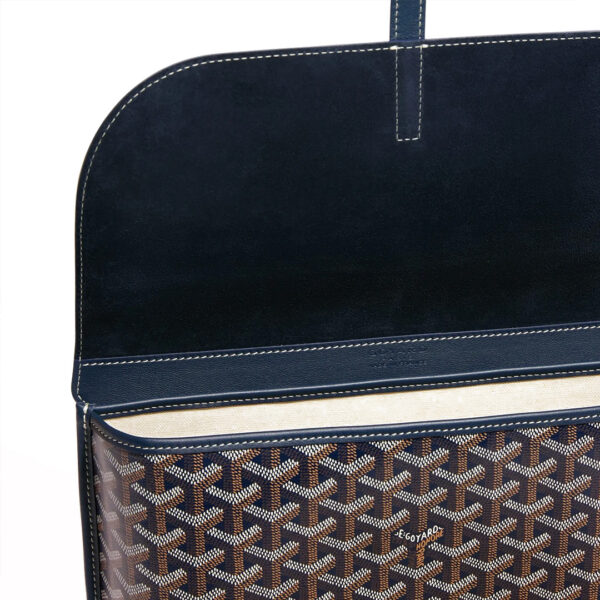
Superfakes are made from quality materials, often on the same equipment and in the same factory regions as the originals. Manufacturers copy the fonts, hardware, packaging, and even the accompanying documents and dust bags. The “1:1” marking claims to be a complete copy of the original, although in reality differences always remain — they are simply becoming harder and harder to spot without a reference for comparison. Usually the discrepancies hide in the details: the weight of the hardware, the exact shade of the threads, the density of the material, the microtext on the tags.
Why Such Replicas Are Dangerous
The main threat is financial: the buyer pays a price close to the original but receives a counterfeit with no investment or resale value whatsoever. On the secondary market such an item is worth nothing, and trying to resell it as genuine is itself a risk for the buyer. On top of that, quality suffers: despite the external resemblance, the materials and durability of a superfake fall short of the original — the sole breaks down faster, the paint cracks, the hardware peels. There is also an ethical side — fakes are often tied to shadow production with no labor or environmental standards whatsoever.
Why Self-Inspection No Longer Works
Classic advice like “check the font and seams” is losing its reliability, since superfakes reproduce these details almost flawlessly. QR codes and digital verification are imitated too: the code scans and may lead to a similar page. Relying on your own eye alone is risky today, even for experienced buyers who do not have a confirmed original on hand for comparison.
Warning Signs That Should Put You on Alert
- A price significantly below the market average for this release.
- A seller with no history, reviews, or real photos of this specific item.
- A refusal to provide additional macro photos of tags, hardware, and date codes.
- A mismatch in small details — weight, shade of the metal, smell of the materials.
- “Unlimited availability” of sizes for an item that was a limited drop.
What to Pay Attention to Anyway
A price well below market and a questionable source of purchase should be considered suspicious. Check the seller’s reputation, the presence of real photos of the item, their history and reviews. A mismatch in small details — shade, hardware weight, smell of the materials, microtext — can also give away a fake, but it requires experience and comparison against a reference that the average buyer usually does not have.
Where Superfakes Come From and Why There Are More of Them
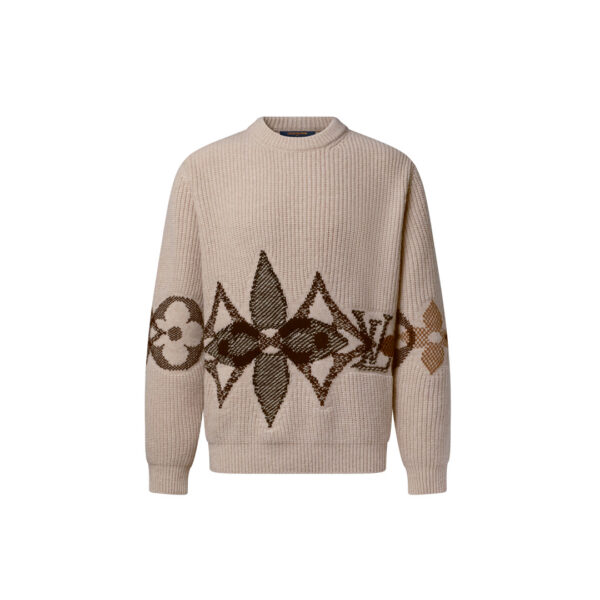
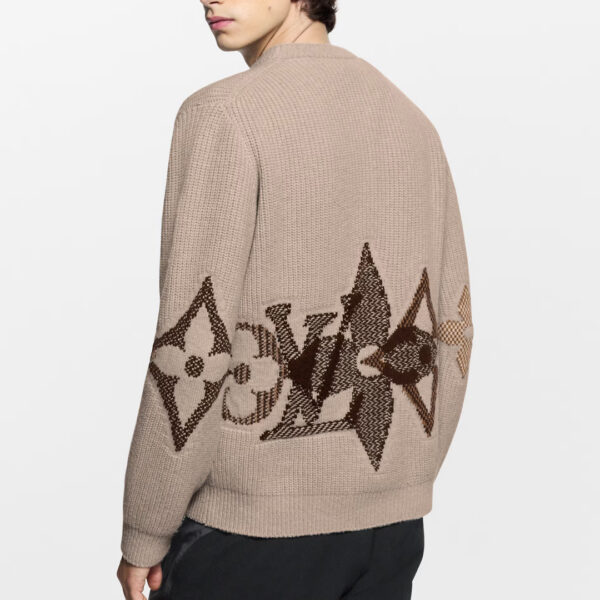
The rising quality of replicas is linked to the fact that some production capacity is located near the official factories, and materials and patterns “leak” into the shadow sector. Counterfeiters invest in expensive equipment, hire experienced tailors, and carefully study every new release the moment it comes out. Because of this, the interval between an official release and the appearance of a high-quality copy shrinks to weeks. The more popular and expensive an item is, the more resources go into its superfake version — which is exactly why Yeezy, Air Jordan, Louis Vuitton, and Supreme are counterfeited most meticulously.
Why a Professional Legit Check Is the Most Reliable Solution
Expert verification relies on dozens of criteria, access to references, and experience working with thousands of pairs and items. A specialist compares details the average buyer would not even notice: the depth of the embossing, the stitch pitch, the weight of the metal, the structure of the material, the microtext on the tags. Importantly, a legit check evaluates not one but the totality of signs: a superfake may perfectly reproduce the font but “fail” on the weight of the hardware or the structure of the sole. That is precisely why a professional approach with a photo report remains the most reliable protection against the most sophisticated fakes.
What the POGO Photo Report Gives You
- Documented macro photos of tags, hardware, date codes, and construction.
- The ability to compare details against official references.
- Transparency: you see the exact item you will receive.
- Documentary proof of authenticity for future resale.
Buy Only Originals at POGO
At POGO, every item undergoes a multi-stage legit check against 10+ criteria with a photo report — we work exclusively with authentic originals. You won’t have to risk your money on a superfake or study the microtext on tags yourself. Browse our verified selection in the catalog or clarify the details about a specific item via contacts. Your confidence in your purchase is our priority.
Shop the story